
QUASR Welcomes International Surgeons Through Shoulder Fellowship Programme
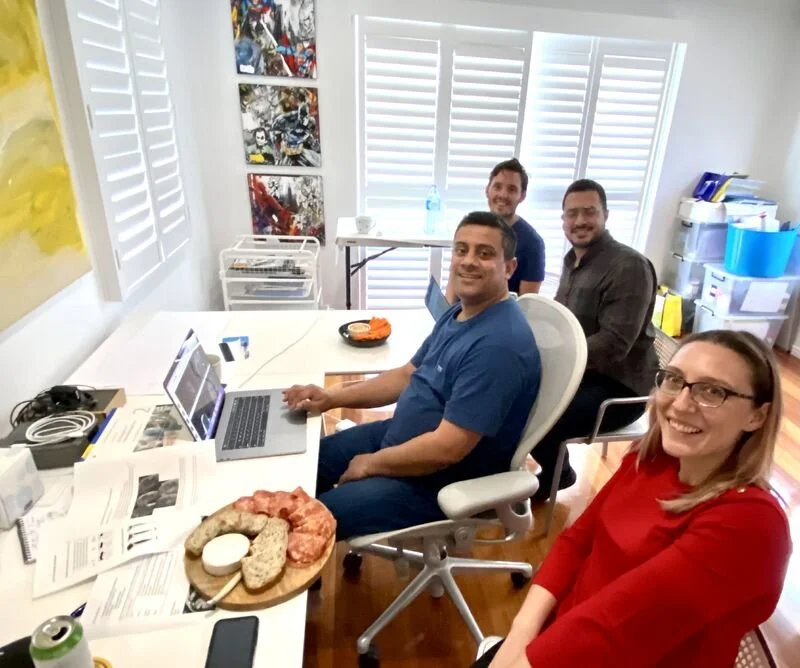
Developing the Next Generation of Shoulder Surgery Specialists
For many orthopaedic surgeons, fellowship training is a defining stage in their professional journey. It provides an opportunity to develop specialist skills, learn from experienced surgeons and build professional relationships that continue throughout their careers.
For Prof Ashish Gupta, his own experience of completing four fellowships over three years helped shape his career. Today, as a mentor, he recognises the value of sharing knowledge, encouraging open discussions and creating opportunities for surgeons from different parts of the world.
The international shoulder fellowship programme welcomes surgeons interested in advancing their knowledge and expertise in shoulder surgery through clinical training, research and mentorship.
International Shoulder Fellowship Opportunities
The programme offers structured opportunities for specialist training in shoulder surgery, supported by clinical supervision, research collaboration and international knowledge exchange.
The fellowship opportunities include:
Clinical shoulder fellowships: Advanced exposure to shoulder arthroscopy, arthroplasty and complex shoulder procedures.
Research opportunities: Participation in collaborative research projects through QUASR and its research partners.
Short-term observerships: Opportunities to observe clinical practice and gain insights into specialist shoulder surgery.
Higher research degrees: Opportunities to pursue a Master's degree or PhD through relevant academic pathways.
The programme aims to encourage participation from surgeons across different regions, including both developed and developing countries.
According to Prof Ashish Gupta's description of the selection approach, opportunities are allocated to encourage geographical diversity while recognising outstanding candidates.
Learning Through Clinical Experience and Mentorship
Fellowship training involves much more than observing surgical procedures. It is an opportunity to participate in clinical discussions, exchange ideas, understand different approaches to complex cases and learn from experienced colleagues.
Prof Ashish Gupta emphasises the importance of a demanding but rewarding learning environment, where fellows are encouraged to work hard, contribute to research and develop lasting professional relationships.
The programme also values the friendships and international connections that develop through shared clinical and academic experiences.
QUASR: An International Research Community
The Queensland Unit for Advanced Shoulder Research (QUASR) provides fellows with opportunities to engage in a broad range of research activities.
The wider research environment brings together clinicians, engineers, researchers and technology specialists working across multiple areas, including:
Arthroscopic Latarjet procedures
Revision shoulder arthroplasty
Gait analysis
Computational modelling
Robotic shoulder research
Data analytics and deep learning
Artificial intelligence in healthcare
Through its connections with Queensland University of Technology (QUT), Akunah and the ARC Training Centre for Joint Biomechanics, QUASR offers an interdisciplinary environment in which fellows can contribute to research projects and collaborate with colleagues from different professional backgrounds.
Supporting Education Through Industry and Clinical Partnerships
The fellowship programme benefits from the support of clinical, academic and industry partners.
Prof Ashish Gupta acknowledged the contributions of Stryker, Arthrex, Zimmer Biomet, Device Technologies, Greenslopes Private Hospital, Ramsay Health Care, QUT and Akunah in supporting educational and research opportunities.
These collaborations help provide fellows with exposure to clinical practice, surgical technologies and research activities.
Building International Connections Through Shoulder Research
The value of a fellowship extends beyond the period of formal training. The professional relationships, shared experiences and research collaborations developed during this time can continue throughout a surgeon's career.
For QUASR, welcoming fellows from around the world is part of a broader commitment to international collaboration, education and the advancement of shoulder research.
The programme aims to provide future shoulder specialists with opportunities to learn, contribute and become part of a global shoulder research community.
Explore Shoulder Fellowship Opportunities
Surgeons interested in advanced shoulder training, research and international collaboration can explore the fellowship programme and its application information.
Original LinkedIn Post: View on LinkedIn