
Leadership Through Teamwork: Building the Next Generation of Research Leaders
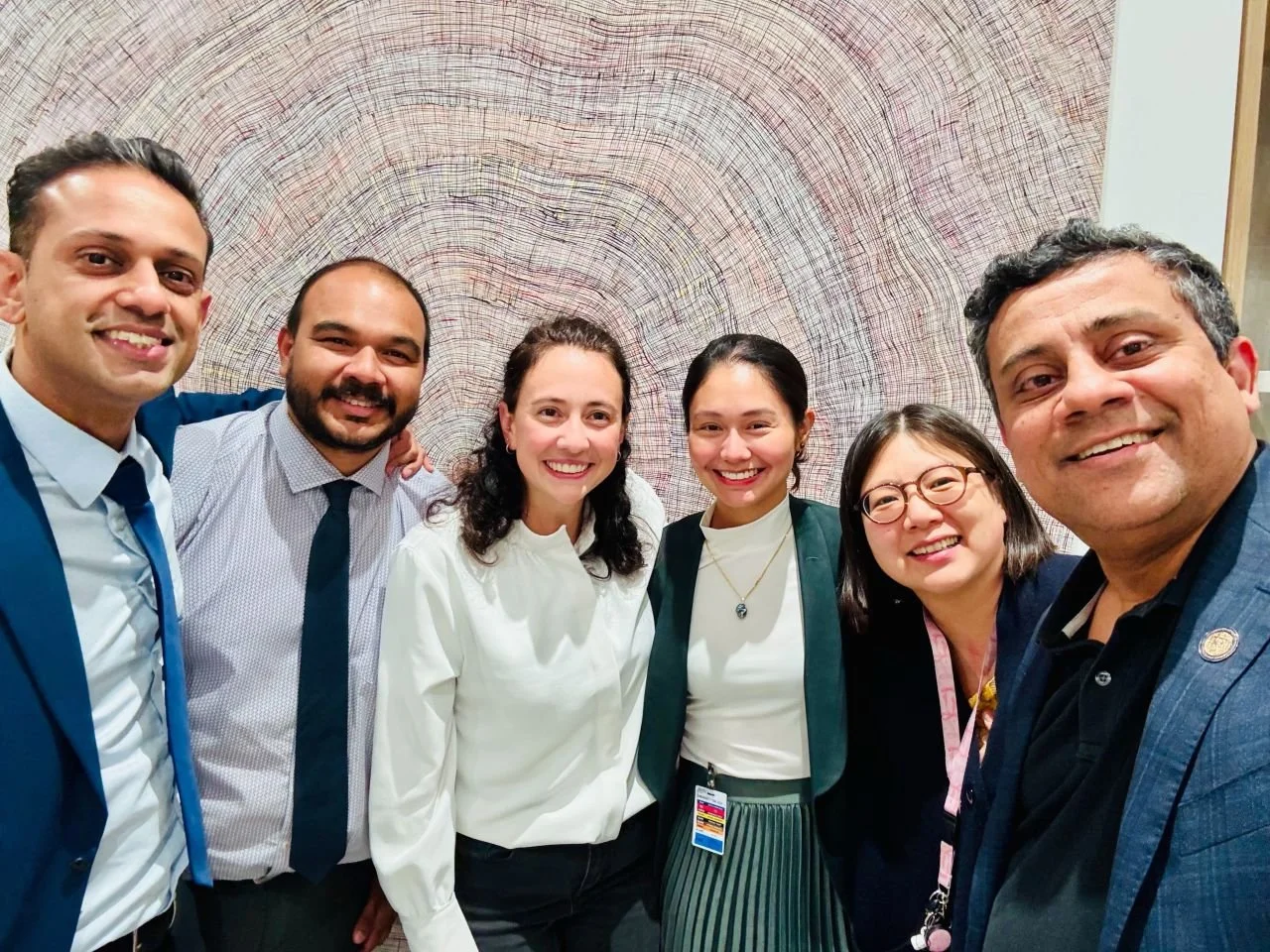
The People Behind Every Research Achievement
Behind every successful research programme is a team of dedicated people working towards a shared vision. From developing new ideas and conducting complex research to publishing scientific papers and organising international courses, meaningful progress depends on collaboration, trust and strong leadership.
For Prof Ashish Gupta, leadership is not about managing every detail. It is about building the right team, empowering individuals and creating an environment where people have the freedom and support to achieve their potential.
Building a Strong Research Team
Developing a successful research team requires careful selection, shared standards and a commitment to excellence. In medical research, quality and accountability are particularly important because the work ultimately contributes to advancing clinical knowledge and patient care.
Trusting team members, setting clear expectations and giving them the freedom to execute their responsibilities can encourage creativity, ownership and innovation.
An effective leader also needs to be dependable. Team members should know that they have the support they need, particularly when projects encounter setbacks or difficult challenges.
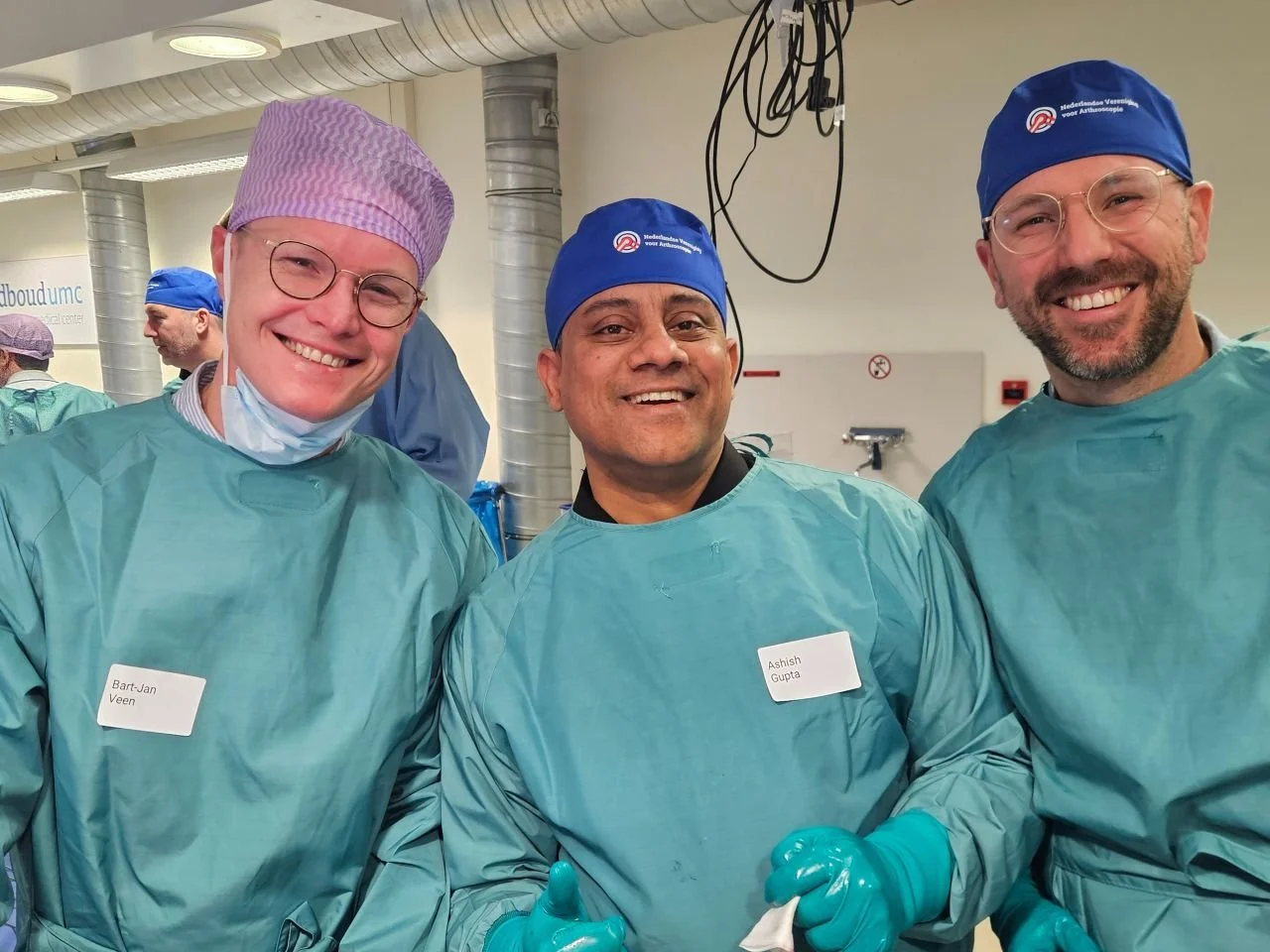
Turning Challenges into Opportunities
Research and innovation rarely follow a straightforward path. Scientific publications may face repeated rejections, grant applications may require several attempts, and medical device development can involve years of design, testing and refinement.
Patience, resilience and the willingness to learn from setbacks are essential parts of the process.
A strong research environment recognises that mistakes and challenges can become opportunities for improvement. Giving researchers the confidence to learn, adapt and try again helps build the experience needed for long-term progress.
Developing the Next Generation of Leaders
One of the most important responsibilities of research leadership is developing people who can eventually lead independently.
Empowering fellows and young researchers with responsibility, mentorship and opportunities to contribute allows them to grow beyond their individual roles.
The objective is not simply to build a productive research team, but to develop capable individuals who can take forward new ideas, lead projects and contribute to the future of orthopaedic research.
Collaboration Across Borders
Medical research advances through collaboration between researchers, clinicians, universities and industry partners.
The work taking place across QUASR and its international network reflects the importance of bringing different expertise together. From Mexico and the Netherlands to Singapore, Geelong in Australia and Manila in the Philippines, research collaborations and knowledge-sharing initiatives continue to connect teams across borders.
With more than 25 research papers, complex courses, challenging operations and clinical logistics contributing to an exceptionally busy period, the importance of a dependable and coordinated team becomes clear.
Leadership Is About the Team
For Prof Ashish Gupta, the greatest return on leadership investment is the people who grow, develop and eventually become leaders themselves.
Research achievements are never the result of one individual alone. They are built through teamwork, shared standards, resilience and a collective commitment to advancing knowledge.
The strongest leaders understand that their success is ultimately built on the strength of their teams.
View Prof Ashish Gupta's original LinkedIn post on leadership and teamwork.